A Close Look at the Worker Ants Marching Embroidery Design
First Impressions: A Busy, Friendly Scene
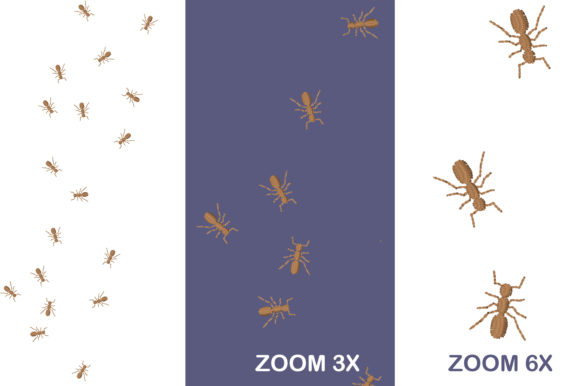
When I first opened the Worker Ants Marching embroidery file, my immediate thought was, “This is clever.” It’s not just a static image of an insect; it’s a little narrative. The ants are on a mission, marching in a line. It creates a mood of cheerful industriousness—a fun, light-hearted theme perfect for breaking away from overly serious or floral motifs. The layout is straightforward and balanced, with a good level of detail in the ant bodies without becoming overly intricate. The visual personality is friendly and quirky, making it feel like a design you'd choose for a gift or a personal project meant to bring a smile.
This isn't a design that screams for a formal setting. It naturally belongs to casual, personal projects. I envisioned it immediately on the pocket of a canvas tote bag or as a small accent on a child’s sweatshirt. The theme of cooperation and hard work also gives it a subtle, positive message, which could resonate well for a personalized gift, say for a colleague or a new graduate.
Where the Ants March Best: Project Fit & Customer Appeal
In practical terms, I consider where a design like this will shine in a real-world embroidery project and what kind of customer reaction it might get. Let's walk through a specific scenario.
Imagine you're preparing a custom embroidered tote bag for a small shop's merchandise line. You want something unique that stands out from generic florals. Worker Ants Marching placed near the bag's bottom corner, stitched in a rich brown or charcoal thread, creates an instant story. It feels handmade and thoughtful. A customer browsing at a craft fair would likely pause—it’s unexpected and engaging. For an Etsy seller creating baby items, a single ant or a scaled-down version marching across the cuff of a baby romper adds a whimsical touch that parents love. It elevates a simple garment into a personalized gift.
Strong Candidates for This Embroidery File
- Casual Apparel: T-shirts, sweatshirts, and trousers—the product description mentions these directly, and they're perfect. A small march of ants along a sleeve or hem is a fantastic accent.
- Home & Accessories: Pillow covers, kitchen towels, and aprons. On a linen apron, it adds a fun, relatable detail for someone who loves cooking or gardening.
- Boutique Branding: Small businesses can use it on staff uniforms or promotional items like patches or caps to create a cohesive, friendly brand identity.
- Gift Items: Nursery decor blankets, holiday gifts, or wedding presents for a quirky couple. It’s highly giftable because it's specific and charming.
Navigating the Stitching Terrain: Practical Considerations
Now, from the point of view of actually running this machine embroidery design, here’s where we need to be observant. The success of any finished product hinges on how the digital file translates into physical stitches.
The design appears to have areas of fill stitch for the ant bodies and likely satin stitch or running stitch for the finer legs and path details. This means stitch density is a key factor. On thinner fabrics like standard t-shirt material, using a proper stabilizer is non-optional to prevent puckering, especially if the ants have solid filled bodies. For stretchy fabric like on a cap, you’d need to be extra cautious with stabilizer choice and possibly consider reducing the scale if the design’s default size is too large for the curved surface.
Spots to Approach with Care
- Very Small Hoop Sizes: If you try to shrink this design too much for a tiny item, the ants' legs and small details could become lost or blur into a muddy stitch cluster. Test first.
- Dark Fabric: Using light-colored thread on a dark background will make the marching line pop, but you must ensure your thread color choices have strong contrast for clarity.
- Textured Fabrics: On heavily textured fabrics like some towels or blankets, the finer details might not read as clearly. A simpler, larger version of the design might work better.
- Products for Frequent Washing: For items like baby clothes or kitchen towels that will be washed often, secure stitching is paramount. Check that the design doesn't have overly delicate single-thread lines that could wear quickly.
All of this affects visual appeal, stitching clarity, and ultimately, customer trust. A poorly executed design on a final product hurts your handmade presentation and professionalism. Doing your homework before stitching protects your brand consistency and the item’s perceived value.
Designer Notes Before You Hoop the Fabric
Before I commit any design to a client project or my own small shop product, I follow a short checklist. For Worker Ants Marching, here’s what I’d do.
- Test on Scrap Fabric: Always. Use the same material and weight as your final project—a canvas scrap for a tote, a jersey scrap for a t-shirt. This reveals any puckering or detail loss immediately.
- Check Thread Color Contrast: Stitch a sample on both light and dark backgrounds. See how the design reads. Does it need brighter or darker threads than you initially planned?
- Review the Small Details: Zoom in on the design preview. Inspect the ant legs and any tiny elements. Are they defined by enough stitches to be clear when sewn?
- Confirm Hoop Size Compatibility: The product description doesn't specify a default hoop size, so you must verify this in the file itself or the seller’s information. Don’t assume.
- Consider Commercial Use: If you plan to sell the finished product or use it in commercial embroidery, explicitly check the licensing terms for this digital embroidery file. Not all designs are licensed for commercial resale of stitched items.
A final, often overlooked step: create a simple printable mockup in black and white. This helps you judge the composition and layout stripped of color, ensuring the design’s structure is strong on its own.
The Final March: Adding Value to Your Work
Incorporating Worker Ants Marching into your repertoire is more than just adding another bugs category design. It’s about selecting a design asset with character. When stitched well on the right product, it enhances buyer engagement by being memorable. It turns a basic embroidered patch or custom apparel item into a conversation piece.
For the craft business owner, it offers a fresh option alongside more common themes. For the hobbyist making a holiday embroidery gift, it provides a fun and slightly offbeat choice that feels more personal than a stock image. Its strength lies in its specific narrative—ants marching—which gives it a built-in story you can leverage in your product descriptions or when presenting the item to a client.
Remember, the real test of any embroidery design is on the fabric, under the needle. With practical prep and an understanding of its friendly, detailed nature, Worker Ants Marching can become a reliable, charming part of your embroidery project lineup, marching successfully from your digital library onto a well-loved, stitched product.