Baby Shoes Embroidery: A Designer's Hands-On Review
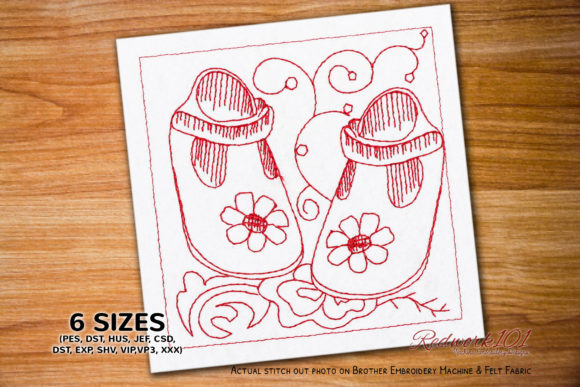
When I first opened the Baby Shoes for New Born Baby embroidery file, my immediate thought was how classic and gentle it looked. This isn't a loud, cartoonish baby design. It has a soft, almost nostalgic personality, with a simple shape that feels timeless. The mood it creates is one of quiet celebration, perfect for marking a new arrival without overwhelming a garment.
The Kind of Projects Where This Design Truly Belongs
This design naturally gravitates toward heirloom-quality items. I picture it stitched onto a custom embroidered baby gown, a delicate pillow cover for a nursery, or even as a sweet accent on a keepsake blanket. Its straightforward layout means it won't fight with other elements, making it ideal for personalized gifts where you might add a name or date alongside it. For small business owners, particularly those running boutique baby shops or Etsy stores specializing in handmade products, this design offers a versatile, safe choice that customers will recognize as a tasteful, classic symbol.
In a real-life scenario, imagine a client requests a custom apparel gift for a baby shower. You’re preparing a set of organic cotton burp cloths and a simple muslin swaddle. The Baby Shoes for New Born Baby design would be a perfect focal point, stitching up cleanly on those lightweight fabrics and elevating the whole set from plain to purposefully decorated. It's the kind of detail that makes a product feel thoughtfully crafted, not just manufactured.
Practical Performance on Real Fabrics and Products
Let’s talk about how this embroidery file translates from screen to stitch. The design's detail level appears moderate, without overly intricate tiny elements that can blur on textured fabrics. This is a significant advantage. It should perform reliably on standard baby clothes like onesies, on tote bags for new parents, and on flat surfaces like tea towels or apron pockets.
However, where you need to be careful is with scale and fabric choice. On very small hoop sizes, the design’s proportions might become cramped, so testing on scrap fabric first is crucial to ensure clarity. On stretchy fabric like a t-shirt, using the correct stabilizer is non-negotiable to prevent distortion. The design note mentions the optional box stitch and that the outer box color often differs. This is a practical heads-up. It means the design likely uses a satin stitch or fill stitch border that can be a distinct color block. On dark fabric, you'll need to ensure those thread colors have enough contrast to pop, so I'd always recommend checking it in a black and white mockup to preview the contrast.
Considerations for Commercial Use and Customer Appeal
From a craft business perspective, this design adds clear product value. It’s easily recognizable, which builds instant customer trust—they know exactly what sentiment they’re buying. For embroidered patches, the design would work well, provided the stitch density is suitable for converting to a patch format. Its professional, clean execution enhances brand consistency for a shop that specializes in baby or gift items.
The giftability is high. It’s a design that grandparents, friends, and parents themselves would appreciate on a holiday embroidery gift or a wedding gift for expecting couples. For digital product sellers, this file is a solid design asset to offer, as it serves a clear and evergreen niche. Before using it for any commercial embroidery project, my standard advice is to always confirm the licensing terms for selling finished items.
Designer Notes Before You Hoop Your Fabric
My final thoughts before using this in a project are all about preparation. First, always test the design on scrap fabric identical to your final project fabric. This lets you inspect the small details, review the actual stitch density, and confirm your chosen hoop size works perfectly. Pay attention to the optional box element. Decide if you want that framed look or a softer, standalone shoe image. This choice changes the design’s footprint and feel.
Think about your end product’s lifecycle. If it’s an item needing frequent washing, like a baby bib or kitchen towel, ensure your thread choices and stabilization are robust enough to maintain clarity. For items like caps or other curved surfaces, the design’s relatively compact shape should adapt well, but be mindful of placement on seams or complex curves.
The Baby Shoes for New Born Baby embroidery design is, in my experience, a reliable and charming choice. It won’t surprise you with complications if you do your foundational tests. It fills a specific, emotional need in the market for personalized products and small shop merchandise. By handling the technical prep work—checking contrast, stabilizing properly, choosing the right project canvas—you can turn this digital embroidery file into a finished product that feels both heartfelt and professionally made. It’s a design that does its job quietly and well, leaving you to focus on crafting an exceptional item for your client, your customer, or your own cherished gift.