Evaluating Sailor Bear: A Designer's Review for Boutique Sweatshirts
When a boutique brand plans a limited sweatshirt drop, the chosen embroidery design becomes the soul of the collection. It’s not just decoration; it’s a statement of brand identity and quality. Today, I’m reviewing the Sailor Bear machine embroidery design from the perspective of a professional preparing a premium sweatshirt line.
The First Impression: Mood & Layout
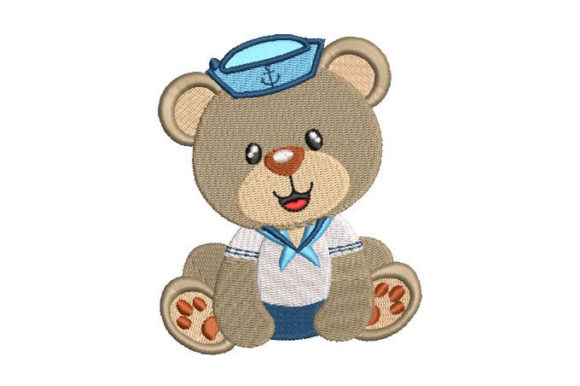
Opening the Sailor Bear embroidery file, the immediate impression is undeniably cute and playfully decorative. The character-centric layout suggests a friendly, approachable mood, perfect for brands aiming for a wholesome, slightly nostalgic feel. This isn’t a minimalist geometric; it’s a storytelling detail. For a sweatshirt, this personality translates into a garment that feels personal and special, moving beyond generic apparel into something with a handmade product charm.
Detail Level & Stitching Personality
The detail level appears balanced for apparel use. It should render with clear definition without becoming overly dense. On a finished product, I imagine the sailor bear’s elements—the hat, the likely sweet facial expression—will have a soft, textured presence thanks to the embroidery stitches. The stitching personality seems gentle and rounded, which aligns perfectly with the described use for children’s items but also scales up beautifully for adult casual-wear seeking that cute, cozy aesthetic.
Sailor Bear on Sweatshirts: A Real-World Application
Let’s visualize this on the actual garments for a small shop product launch.
On a neutral sweatshirt—heather grey, cream, oat—Sailor Bear would pop as a focal point of color and texture. The contrast would be crisp and clean, lending a premium, curated feel. On dark fabric like navy or charcoal, the design would become a bold, decorative element, especially with well-chosen thread colors. Its playful nature softens the dark base, creating a striking yet approachable hoodie design.
For a pastel-colored sweatshirt—think blush pink or soft mint—Sailor Bear would lean into a more feminine and utterly cozy seasonal apparel vibe. This combination would be ideal for lifestyle product photography, evoking a sense of comfort and gentle style. On an oversized hoodie, the design works wonderfully as a classic chest placement, slightly offset for a modern touch. It could also serve as a delightful sleeve accent or even a larger back design for statement merchandise.
Boutique Branding & Customer Engagement
For a boutique brand, this embroidery adds tangible value. It transforms a basic sweatshirt into custom apparel with a story. In Etsy listings and printable mockups, the design provides a recognizable, engaging visual hook. It fosters buyer trust by showcasing a commitment to detail. Visually, it strengthens brand identity—a shop known for sweet, character-driven embroidery builds recognition and customer loyalty.
The Practical Designer Concerns
Moving from vision to production requires a technical review. Here are the key considerations for commercial embroidery use.
Thread Color Contrast is paramount. The design’s success on different fabric colors hinges on selecting a palette that ensures readability and charm. On dark sweatshirts, lighter, vibrant threads are essential. On pastels, a slightly contrasting scheme will maintain definition.
Stitch Density must be appropriate for sweatshirt fabric. Too dense, and it can stiffen the comfortable fabric texture; too sparse, it may lack durability. I recommend a test sew on a comparable fabric weight to assess the feel and flexibility.
Fabric Thickness & Stabilizer Choice are intertwined. Sweatshirts, especially premium ones, have a loft. A good, firm stabilizer is non-negotiable to prevent puckering and ensure the Sailor Bear design sits flat and clean, preserving that premium look.
Hoop Placement on a sweatshirt requires planning to avoid the ribbed cuffs or seams. The design’s size and shape will dictate the best hoop size and positioning on the garment body for a flawless finish.
Small-Size Readability is a question. If the boutique wants a smaller version for sleeve accents or children’s sizes, one must check if the embroidery file’s detail holds up when reduced. Some elements might need simplification for very small hoop sizes.
Washing Durability & Commercial Strength
For a sweatshirt meant to be worn and loved, washing durability is critical. A well-digitized design with secure stitch paths should withstand normal care. Sailor Bear, with its likely continuous, flowing outlines, seems strong enough for commercial apparel use. However, confirming that the stitch construction isn’t overly delicate is a vital step before production.
A crucial reminder: Before proceeding with any boutique collection, verify the exact specifications of the Sailor Bear digital embroidery file. Confirm the available hoop sizes, the precise stitch count, and any included design assets or format details. This due diligence ensures seamless integration into your production workflow.
Final Verdict: A Versatile Charmer
Sailor Bear emerges as a versatile and charming candidate for a boutique sweatshirt drop. It leans cute and decorative, yet its execution can feel premium depending on fabric choice and embroidery quality. It supports a brand identity that is playful, heartfelt, and focused on quality handmade presentation.
It works across neutral, dark, and pastel bases, adaptable to chest, sleeve, or back placements. For small clothing brands and Etsy sellers, it offers a high-impact visual that elevates product value and enhances customer engagement in photos and in person.
With attention to practical concerns like stabilizer, thread contrast, and testing on actual sweatshirt material, Sailor Bear can translate from a cute Teddy Bears category design into a standout, profitable piece of boutique merchandise, perfect for a cozy, seasonal collection that resonates with a devoted audience.