Hello Beautiful: A Designer’s Review for Real-World Embroidery
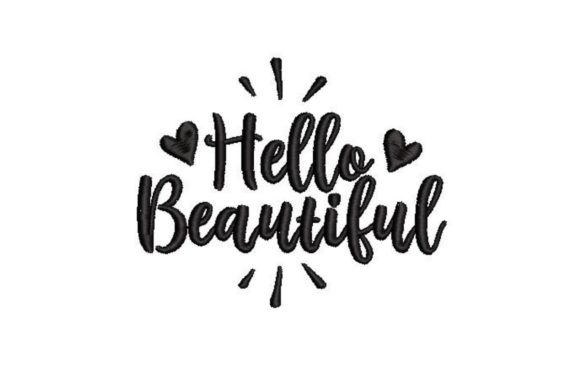
When a design file named Hello Beautiful lands in my digital library, my first thought isn’t about the file formats. It’s about the mood. This design speaks a quiet confidence. It’s not loud or overly ornate; it feels like a gentle affirmation, a stylish note meant to elevate everyday items. The layout and thematic focus on beauty lend it a versatile, feminine personality that isn’t tied to a specific season or trend. As a designer who constantly evaluates embroidery designs for client projects and my own handmade products, I see this as a design with a clear purpose: to add a polished, personalized touch.
The Natural Habitat for This Design
Imagine you’re preparing a custom order for a boutique client—a set of linen tea towels for a wedding gift. Or you’re stocking your Etsy shop with embroidered tote bags that need to feel special but not overly sentimental. Hello Beautiful fits seamlessly into these scenarios. Its aesthetic is perfect for items meant for personal use or gifting: a crisp apron for a creative friend, a cozy sweatshirt for a small shop’s merchandise line, or a delicate pillow cover for nursery decor. The design doesn’t scream; it compliments. It would stitch out beautifully on the corner of a kitchen towel or centrally on a baby’s blanket, adding value through its clear, intentional message.
For apparel decorators and small business owners, this kind of design is a reliable asset. It can transform a simple cap or a plain canvas tote into a branded, thoughtful product. I’m thinking through a real-life scenario right now: applying it to a cotton sweatshirt for a craft fair. The phrase is universally appealing, and the design’s likely composition—which I assume balances text with perhaps some decorative elements—would create a focal point that feels handmade and professional, increasing customer trust and engagement with the finished product.
Performance on Fabric: A Practical Perspective
In real-life embroidery, success hinges on how a design translates from screen to stitches. Hello Beautiful, given its name and category, likely involves clean lettering and possibly some decorative flourishes. The key will be stitching clarity. On a medium-weight fabric like a sweatshirt or tote bag cotton, with proper stabilizer, this design should perform reliably, offering good visual appeal and a clean handmade presentation.
However, the places where you need to be careful are intuitive. If the design has small details or tight corners, stitching it on a stretchy fabric like a thin t-shirt without adequate stabilizer could lead to puckering. On textured fabrics like certain blankets, fine details might get lost. And on dark fabric backgrounds, thread color contrast becomes paramount—you’d need to choose a palette that pops, perhaps bright whites or soft pastels, to maintain the design’s legibility and charm. Always test on scrap fabric first. This simple step reveals stitch density, how small elements like tiny lettering hold up, and whether your chosen hoop size is appropriate for the entire design area.
Where Its Visual Personality Shines
The true value of an embroidery design like this emerges in its application. For personalized gifts—think a monogrammed tote or a commemorative pillow—Hello Beautiful adds a layer of emotional resonance. For commercial embroidery projects, such as a run of aprons for a small shop, it contributes to brand consistency and professionalism. Stitched onto a patch, it becomes a versatile product that can be applied to countless items. The design’s inherent positivity can enhance the perceived value of the finished product, making it more giftable and increasing its recognition as a quality handmade item.
Designer Notes for a Smooth Stitch-Out
Before committing this design to a final project, especially for a client or for inventory in your craft business, here are my practical, observational notes:
- Test in Mockups: Use printable mockups or simple digital previews to see how the design looks on different product shapes—on a curved cap versus a flat pillow cover. Compare how it appears on light and dark fabric backgrounds in your software.
- Inspect the Details: Once you have the actual embroidery file, look closely at any dense stitch areas or decorative accents. High stitch density on delicate fabrics might require a lighter stabilizer or even a change in fabric choice.
- Consider the End-Use: If the product will need frequent washing, like a kitchen towel or baby item, ensure your thread choices are durable and the design’s integrity won’t be compromised by repeated laundering.
- Confirm the Basics: The product description mentions it comes with multiple embroidery file formats. This is crucial for machine compatibility. Before starting, confirm you have the correct format for your machine and check the effective hoop size required. Also, always verify the licensing terms—can you use it for personal projects, commercial projects, or both? This is essential for Etsy sellers and digital product sellers offering finished items.
Ultimately, Hello Beautiful strikes me as a design with strong potential for makers who value subtle style. It’s not a flashy applique design; it’s likely a combination of satin stitch for text and fill or running stitch for accents, aiming for a refined look. Its success in your embroidery project will depend on pairing it with the right fabric, the right product concept, and the right intention. Stitch it onto something meant to be cherished or used with pride, and it will deliver exactly what its name promises: a beautiful, stylish enhancement.