Professional Review: Yellow Baby Duck Embroidery for Business
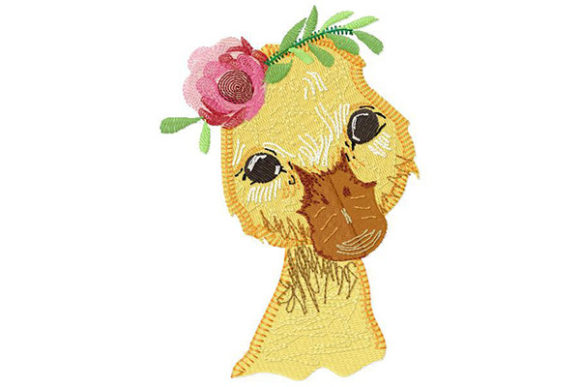
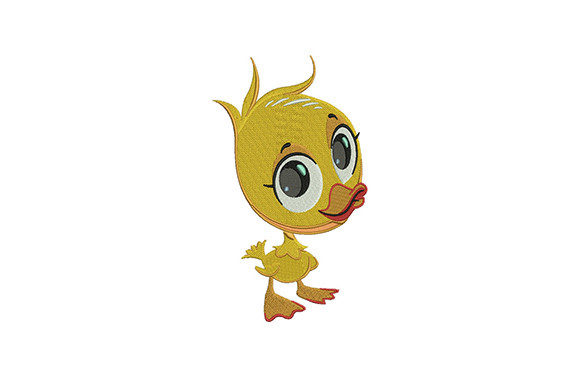
As a designer working with countless small business clients, I'm always evaluating embroidery files for their true commercial potential. The Yellow Baby Duck design arrives with a clear personality: playful, cute, and inherently friendly. This initial impression is crucial. For a café, bakery, florist, pet brand, or children's boutique, this vibe aligns instantly with a welcoming, approachable brand identity. It’s not a stern corporate logo; it’s an emotional accent.
Visual Personality and Brand Alignment
The description suggests a "pop of color and playfulness." In business terms, that translates to high visibility and emotional engagement. A bright yellow duck on a staff apron or a tote bag isn't just decoration; it becomes a memorable brand marker. It communicates warmth, care, and a touch of whimsy—qualities many local businesses thrive on. For a handmade shop or creative studio, this design reinforces a handmade product aesthetic, suggesting attention to charming detail rather than mass-produced anonymity.
However, its described affinity for children's clothes also hints at its scale and style. It likely features soft, rounded forms without overly intricate detail. This makes it robust for commercial embroidery, where clarity at smaller sizes is key. It feels modern classic—not overly trendy, nor dated—giving it longevity in your brand identity toolkit.
Real-World Business Applications
Let's move from impression to application. Where does Yellow Baby Duck perform well as a business asset?
Primary Merchandise & Uniform Uses
- Embroidered Patches: This is a standout use. As a custom apparel accent, a patch can be applied to denim jackets, backpacks, or hats as event merch or customer gifts. The likely solid color blocks and clear outline mean it will remain recognizable even at a modest patch size.
- Apron Embroidery: Perfect for a café, bakery, or boutique. Positioned on a chest or pocket, it adds a branded, friendly touch to staff uniforms without being overpowering.
- Cap Embroidery: On the front panel of a cap, its compact, likely circular or oval composition should hoop well. It creates a cohesive look for staff or as retail merchandise.
- Tote Bag Design: Embroidered on a canvas tote, it elevates a simple bag into branded small business merch. The pop of color makes the bag visually appealing and increases its perceived value as a gift or purchase.
- Product Packaging & Labels: For a pet brand or children's product business, a small embroidered version on a cloth tag or label adds a premium, tactile dimension that stickers cannot match.
Secondary & Accent Applications
- Sleeve or Collar Details: On polo shirts or work shirts, a small Yellow Baby Duck near the sleeve can serve as a subtle, recurring brand motif for teams.
- Customer Gift Items: Embroidered on baby bibs, small towels, or handkerchiefs, it becomes a branded token of appreciation, directly playing into its described charm.
- Printable Mockups: Using this digital embroidery file to create mockups for your website or client approvals helps sell the concept before stitching a single thread.
Considerations and Strategic Placement
Professional commercial embroidery requires forethought. Here are key areas to evaluate with this design.
Where to Use With Care
- Very Small Patch Sizes: While it seems robust, always test it at small patch size first. If the design includes tiny features like eye details, they may vanish or become fuzzy below a certain dimension.
- Curved or Difficult Surfaces: On structured cap fronts, the design should hoop cleanly. But on heavily curved baseball cap sides, distortion could occur. A test on the actual garment is non-negotiable.
- Dark Background Fabrics: The "pop of color" relies on contrast. On dark uniforms like black aprons, you must ensure the yellow thread and any outline threads are chosen for maximum contrast. A black outline on a dark background will disappear.
- High-Wash Items: For aprons or work shirts washed frequently, a solid stitch density is needed to prevent premature fraying. Review the file's density and use appropriate stabilizer to ensure durability.
- Textured Fabric: Embroidering on a loose-weave canvas tote bag versus a tight-knit polo shirt requires different stabilization approaches. The design's performance may vary; test on your target fabric texture.
Designer's Practical Checklist
- Test in Black and White First: Before committing to colorful thread, stitch a sample in monochrome. This reveals the clarity of the outlines and form without color distraction.
- Review Thread Color Contrast: Plan your thread palette not just for the duck, but for the background fabric. A slight shift in yellow hue can alter the entire feel.
- Inspect Spacing and Hoop Size: Confirm the design's dimensions align with your intended hoop size. For a chest logo, you may need a specific hoop; for a patch, you might use a different one.
- Create a Client Mockup: Before production, integrate the design into a printable mockup of the apron, cap, or tote for final client approval. This prevents mismatched expectations.
- Compare Beside Other Brand Assets: Place a stitched sample next to your existing logo, fonts, and colors. Does Yellow Baby Duck enhance your visual consistency or clash? It should complement.
- Confirm Commercial Licensing: Crucially, verify the license for this machine embroidery design. Ensure it permits use on merchandise for sale, in the quantities you plan. Never assume.
Impact on Brand Identity and Customer Perception
Beyond the stitch, what does deploying this design do for your business?
It injects a recognizable character. Customers remember a friendly duck on a tote bag more easily than generic text. It builds customer trust by signaling a business that pays attention to delightful details. On staff uniforms, it fosters a sense of team cohesion and a professional, yet approachable, presentation.
For Etsy sellers and craft businesses, using it as a branded patch on your product packaging directly increases the product value. It signals a finished product cared for from creation to presentation. It drives buyer engagement by being visually appealing and photogenic—a key asset for online sales.
Ultimately, Yellow Baby Duck is a design tool. Its success hinges on strategic application. For the right brand—one built on warmth, creativity, and personal touch—it can become more than an embroidery; it can become a silent ambassador, stitching your brand's personality directly onto the fabric of your customer's experience.
My final advice: Treat it as a serious design asset. Test it thoroughly, integrate it thoughtfully, and let its playful professionalism work for your business.