Formula 1 Racing Car Embroidery: A Real-World Design Review
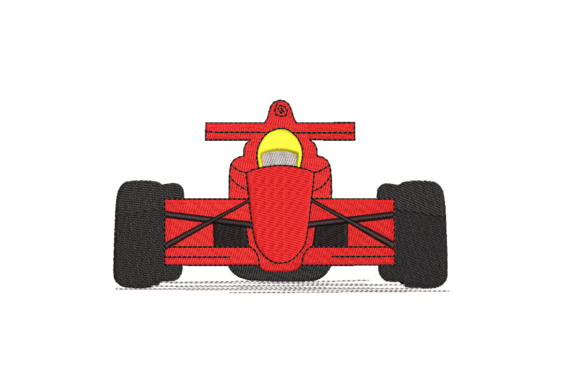
When a new embroidery design like Formula 1 Racing Car pops up on Creative Fabrica, my first question is always practical: can I actually use this for a real project? As someone who embroiders for both personal gifts and a small business, I look beyond the fun description to see how a file performs on fabric. This sports-themed embroidery promised easy stitching and wonderful gifts, so I evaluated it from that professional, hands-on perspective.
First Impressions and Project Fit
The design has an energetic, dynamic mood. It’s clearly meant to capture speed and sport, which gives it strong decorative appeal for anyone passionate about racing. This isn’t a overly complex, technical illustration; it feels more like a stylized, celebratory emblem. That personality makes it a natural fit for a specific range of projects. I immediately thought of custom apparel like sweatshirts or jackets for a fan, a bold statement on a tote bag, or a fun accent on a kitchen towel or apron in a motorsport-themed home. Its style also lends itself perfectly to creating an embroidered patch or as a focal point on pillow covers and nursery decor for a racing enthusiast family.
Performance in Real Embroidery Work
For any machine embroidery design, the theory needs to match the stitching. For commercial use or even serious gift-making, reliability is key. Here’s how I considered Formula 1 Racing Car for real work.
Considering Fabric and Detail Density
The design likely uses satin stitches for clean lines and fill stitches for solid areas. On stretchy fabric like sweatshirts, or on curved cap surfaces, a design with very dense, large filled areas can be problematic, leading to puckering or stiffness. I would advise checking the actual stitch density on the product page before committing to such items. Similarly, tiny lettering or intricate layered details can get lost or become brittle, especially on textured fabrics like towels. For a project on a baby blanket or items needing frequent washing, you’d want those details to be robust. A crucial step is always to test on scrap fabric first, using the same material and stabilizer as your final project. This reveals how the embroidery file truly behaves.
Light and Dark Fabric Adaptation
Sports designs often pop on both light and dark backgrounds. On dark fabric, you must consider thread color contrast. A design with many light-colored details might require a stark white or bright underlay to be visible, which changes the look. Before stitching a final product, I recommend comparing light and dark fabric mockups mentally, or even in a digital preview, to ensure the visual appeal holds up. This directly affects the handmade presentation and visual appeal of your finished item.
Affecting Product Value and Customer Trust
Using a well-executed design from a source like Creative Fabrica embroidery can significantly elevate your product. For an Etsy listing, craft fair product, or boutique merchandise, a clean, crisp embroidery adds perceived value and builds buyer trust. It shows professionalism. A messy or poorly adapting design does the opposite. Formula 1 Racing Car, if it stitches cleanly, can be a fantastic personalized gift, increasing its giftability. It also helps with brand consistency if you specialize in sports-themed goods; your customers come to expect a certain quality level.
Furthermore, a good digital embroidery file provides excellent design assets for creating printable mockups for your store listings. This enhances product photography and customer engagement before the item is even made, allowing buyers to visualize the design on different products.
Essential Practical Notes Before You Stitch
Before you run this design for a customer order or special gift, there are non-stitching steps that are just as important.
- Confirm the Hoop Size: The product description mentions it comes with multiple sizes, but always verify the smallest hoop size required. This determines if you can stitch it on smaller items like caps or baby items.
- Inspect Small Details After a Test Stitch: After your scrap test, look closely at the smallest elements. Are they clear? Do they connect properly? This prevents surprises on the final piece.
- Review the Product Page for File Details: Crucially, check the Creative Fabrica product page for the specific file formats, machine compatibility, and most importantly, the license terms. This is mandatory before selling any finished product. The license dictates your commercial use.
- Use Proper Stabilizer for the Project Fabric: Match your stabilizer to the fabric—no stabilizer is universal. A towel needs a different approach than a sweatshirt or a tote bag fabric.
Final Thoughts on Real-World Use
Formula 1 Racing Car has the thematic appeal to be a successful design in the Hobbies and Embroidery niche. Its fun and easy description suggests it’s accessible, which is great for crafters and entrepreneurs. However, its true worth for commercial embroidery or high-quality handmade products depends entirely on those practical execution details: how it handles dense areas, how it scales, and how clean the final stitchout is. My advice is to approach it as a promising applique design or emblem, perfect for projects where a bold, sporty statement is needed. Always do your due diligence with a test stitch and a thorough review of the product details. That way, you can confidently create those wonderful gifts—or profitable products—that the design promises.