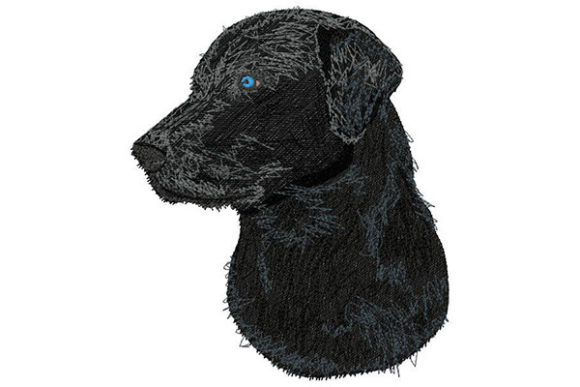
Labrador Retriever Embroidery Design for Real Projects
As someone who stitches for clients and runs a small creative business, I look at every embroidery file with a practical eye. It’s not just about whether a design is cute; it’s about how it performs on real fabric, what kind of product it elevates, and whether it meets the unspoken expectations of a customer holding a finished item. So, let’s talk about this Labrador Retriever Looking to the Side design from that perspective.
The Instant Mood of a Friendly, Trustworthy Companion
The first thing you notice is the posture. This isn’t a playful, jumping Lab; it’s a calm, observant one looking to the side. That creates an immediate mood of quiet companionship and reliability. The shape is solid, the lines are clean, and the detail level feels intentional rather than overly fussy. This gives the design a versatile visual personality—it’s warm enough for a personalized gift, yet dignified enough for a boutique product like a high-quality tote bag or apron. It doesn’t scream “novelty”; it whispers “quality handmade product.”
Where This Design Naturally Belongs
Imagine you’re preparing a custom embroidered sweatshirt for a dog lover. This Labrador design, positioned neatly on the chest or sleeve, doesn’t just decorate the apparel; it personalizes it. It tells a story. The same principle applies to a baby blanket or a nursery pillow cover—it adds a gentle, protective vibe. For a craft fair or Etsy listing, this design on a simple tea towel or a canvas tote instantly creates a product with narrative value. It’s not just a towel; it’s a “dog lover’s kitchen towel.” That shift in perception is everything for a small shop product.
Performance Across Real Embroidery Situations
In practical stitching, a design like this needs to hold its clarity. On a medium-weight sweatshirt with proper stabilizer, the fill stitches for the body and the satin stitch or running stitch outlines should render a crisp, friendly silhouette. On a tote bag, the stitch density needs to be sufficient to withstand use without the image looking sparse. I think this Labrador would excel here.
For caps or hats, the curved surface is a test. The design’s relatively balanced layout, with the head turned to the side, should hoop well for a left or right chest placement on a cap, creating a natural-looking accent. As an embroidered patch, its clear shape makes it a fantastic candidate for application onto backpacks or jackets, adding value as a standalone handmade product.
A Scenario: Crafting a Holiday Gift Bundle
Let’s walk through a real case. You’re making a holiday gift bundle for a client: a kitchen apron and a matching pillow cover for their living room. Using this Labrador design on both items creates a cohesive, thoughtful gift set. The design’s consistent appeal across different fabrics (a likely lighter cotton for the apron, a denser linen or twill for the pillow) would demonstrate its versatility. A customer receiving this wouldn’t just see two items; they’d see a curated, professional gift. That directly impacts customer trust and your brand’s perception as a thoughtful maker.
Careful Application: Where to Be Mindful
No design is universally perfect, and practical judgment means knowing its limits. For this Labrador, the areas of potential detail—like the ear definition or the eye area—mean you should be cautious on very small hoop sizes. Trying to shrink it drastically for a tiny baby garment bib might compromise clarity.
On textured fabrics like a thick blanket, you’d need to ensure your stabilizer choice and thread colors provide enough contrast so the friendly expression doesn’t get lost. On dark fabric, a thoughtful thread color selection (perhaps using lighter shades for outline details) would be essential to maintain the design’s open, warm feel. For products destined for frequent washing, like a child’s hoodie, testing the stitch integrity on a scrap first is non-negotiable to ensure those details hold up.
Affecting Visual Appeal and Professionalism
When a design stitches out cleanly, it directly boosts the perceived value of your finished product. This Labrador, with its approachable yet clean lines, lends itself to a professional handmade presentation. It doesn’t look hastily digitized; it looks intentional. For an Etsy seller or small business owner, that translates to buyer engagement—customers are more likely to connect with a product that looks well-crafted and emotionally resonant. It enhances giftability because it feels personal without being overly specific.
Essential Designer Notes Before You Hoop
Before you commit this design to a client’s project or your craft business merchandise, do the foundational checks. Always test on a scrap of your target fabric first. This tells you about the actual stitch density, how the small details render, and whether you need to adjust your stabilizer.
Review the thread color contrast for both light and dark backgrounds. Sometimes a design needs a slight shift in color palette to pop on different materials. Check the included embroidery file formats for your machine compatibility and confirm the effective hoop size required—this is critical for planning your product layout, especially for items like aprons or tote bags with limited flat space.
Most importantly, if you plan to sell the finished items commercially or use the design as part of your digital product assets for printable mockups, confirm the licensing terms provided with the design. Understanding whether you can use it for commercial embroidery projects is a core part of professional practice.
The Final Take for Makers and Entrepreneurs
The Labrador Retriever Looking to the Side embroidery design strikes me as a reliable, versatile digital asset. It carries an emotional tone that fits personalized gifts and commercial products alike. Its success in your project will come from pairing its friendly visual personality with your practical embroidery skills: choosing the right fabric, the right product, and the right stabilizer. When you do that, you’ll create finished products that feel both well-made and genuinely heartfelt—the exact combination that builds a loyal customer base for any creative entrepreneur.