A Craft Fair Must-Have: The Alabama State Embroidery
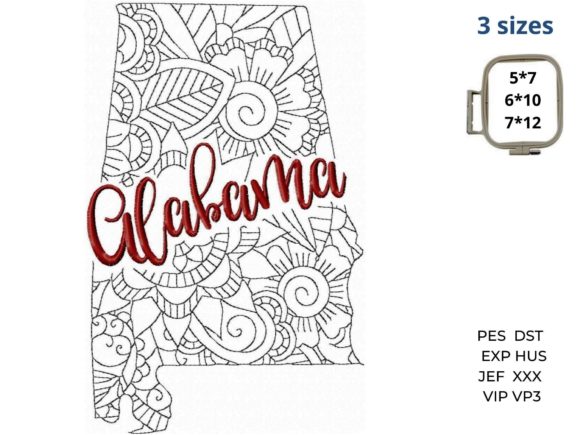
As an embroidery designer preparing my booth for a weekend market, I review every design with a critical eye. It's not just about whether a file stitches well; it's about whether it sells. Looking at the Alabama State digital embroidery design, my first impression is a mix of patriotic festivity and clean, decorative appeal. It's a design that feels immediately familiar and warmly nostalgic, which is a powerful combination for craft fair customers.
Where Alabama State Shines on the Booth Table
This isn't a fussy, overly detailed map. From the description, it sounds like a wonderful artwork of Alabama, which suggests a focus on the state's shape. That makes it versatile. For a craft fair, I imagine it standing out on a few key products.
First, tote bags and market bags. A single, well-placed state outline on a neutral canvas bag creates a subtle, stylish statement. It feels premium and giftable. For a more festive, 4th-of-July-themed display, I'd pair it with aprons and kitchen towels. On a tea towel, especially a rustic, textured one, the Alabama design becomes a functional piece of home decor—perfect for the farmhouse-style shopper.
It also has strong potential as an embroidered patch. Patches are low-cost to produce, high-value items for customers, and they sell incredibly well to both locals and visitors. A crisp Alabama patch can be applied to jackets, caps, or backpacks, appealing to a sense of state pride. Speaking of caps, this design should perform well on curved cap surfaces, provided the artwork isn't too dense or filled with tiny interior details that might pucker.
For smaller, quick-to-stitch items that boost table inventory, fabric pouches and pillow covers are ideal. A small pillow with the state embroidered on it is a charming, handmade gift. The key for all these applications is that the design must be understandable at a glance. A customer walking past my booth should instantly recognize it as "Alabama" without having to scrutinize it. This design, based on its title and description, seems to deliver that.
Production Notes for the Busy Maker
Turning a digital embroidery file into a profitable craft fair product requires practical planning. For Alabama State, several points come to mind.
Test First, Batch Later. Always stitch this design on scrap fabric that matches your final product material. Is the outline clear on dark fabric? You may need to adjust thread colors for contrast. Check the stitch density—especially if the artwork fills the state shape. High density on a towel or bag can make the fabric stiff and less desirable.
Size is Strategy. Consider offering this design in two ways: as a large focal point on a bag or apron, and as a small accent on a cap or pouch. This gives customers choice and allows you to use different hoop sizes efficiently. However, be cautious: if the design has very small lettering (like a "AL" abbreviation or tiny town markers), it might lose clarity at smaller sizes. The description doesn't specify this, so testing at your intended smaller hoop size is crucial.
Photograph for Success. This design will photograph beautifully for your Etsy listings or printable mockups if it's clean and bold. A simple, contrasting fabric background (a white design on a dark blue tote) makes for strong, attractive product photos that capture the handmade quality. For your actual booth, having at least one real, finished mockup on display—not just a digital image—is vital. Customers touch and feel embroidery; they respond to the texture and thread quality.
Why Alabama State Captures Customer Attention
At a craft fair, emotional connection drives sales. Alabama State taps directly into pride of place and patriotic celebration. For a customer from Alabama, or someone with family ties there, this design is an instant engagement trigger. It makes your booth feel personal and curated.
It also enhances product value. A simple tea towel becomes a "Alabama Kitchen Towel." A generic tote becomes a "State Pride Tote." This transformation through embroidery is what shoppers at handmade markets look for—unique items they can't find in big stores. For your brand, if you specialize in North America or U.S. state designs, this file contributes to brand consistency, making your table look cohesive and professional.
From a production rhythm perspective, if the design is clean and not overly complex, it feels repeatable for batch production. You can efficiently stitch a dozen patches or a run of pillow covers without each one being a stressful, time-consuming project. This reliability is the backbone of a successful craft fair business.
Final Checklist Before Your Market Weekend
Before I commit to loading my machines with this Alabama State embroidery file for product batches, I run through my final designer's checklist.
- Confirm the commercial licensing terms of the digital embroidery file. Can I legally sell the finished products?
- Select the right stabilizer for each fabric type (towel, bag, cap). A design like this may need different support on textured versus smooth fabrics.
- Compare thread colors against my chosen fabric colors. A bright red outline might pop on white but disappear on red.
- Review the spacing within the design itself. Are any elements too close together, risking thread breaks or bulk?
- Inspect the overall artwork for any extremely dense fill areas that could slow production or affect fabric drape.
- Create a clear plan: which products will be my showcase items (large, focal) and which will be my quick-sale items (small, affordable patches or pouches).
Embroidery, especially for craft fairs and small shop products, is a blend of art and logistics. The Alabama State design, with its festive and decorative mood, has the foundational appeal to attract customers. By pairing that appeal with smart product choices and disciplined production steps, this wonderful digital artwork can become a reliable, attractive part of your handmade market inventory, turning state pride into tangible sales.