Sunny Flower Embroidery Review for Craft Fair Success
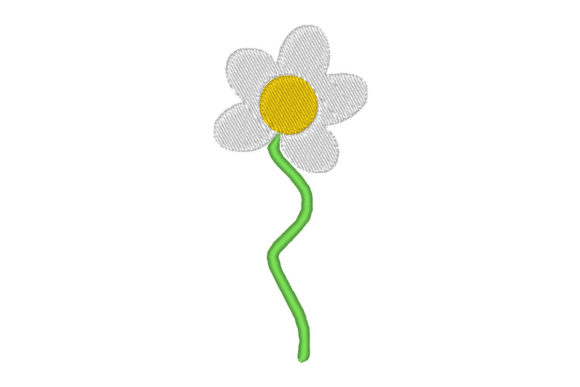
As an embroidery designer preparing for a weekend market, my first job is to review each design not just as an art file, but as a potential product. Today, I’m looking at Sunny Flower, a single flower machine embroidery design. The immediate impression is, well, sunny. It feels bright, cheerful, and decorative—a mood that sells well in the handmade market space.
First Impression and Market Mood
The name Sunny Flower sets a clear expectation: this is a happy, bright design. For craft fair sellers, that’s a powerful starting point. Visually, it should lean towards bold and cute, rather than minimal or rustic. This mood translates directly into customer appeal. At a bustling fair, shoppers scanning tables are drawn to pieces that evoke positive feelings. A sunny, floral motif on a tote bag or tea towel can stop that glance and turn it into a closer look.
Where Sunny Flower Stands Out on the Booth Table
My mental booth layout always includes a mix of products to test a design’s versatility. For Sunny Flower, I envision several strong contenders.
- Tote Bags and Market Bags: This feels like a primary home. A bright flower on a neutral or solid-colored bag creates an instant handmade, giftable product. It’s a large enough canvas to let the design be a focal point.
- Aprons and Kitchen Towels: The sunny, decorative vibe fits perfectly with farmhouse or cottage-core aesthetics that dominate kitchen textiles. It adds perceived value to a basic apron or tea towel.
- Embroidered Patches and Pouches: As a smaller accent, Sunny Flower could work wonderfully on a fabric pouch or as a standalone patch. This tests its clarity at reduced sizes.
- Pillow Covers and Caps: For pillow covers, it offers a soft, decorative touch. On caps, the curved surface is a challenge, but a cheerful flower can be a popular, whimsical choice.
- Booth Samples and Giftable Items: Having at least one beautifully finished sample—like a tote bag—on display is crucial. It shows the design’s real-world appeal and handmade quality.
Practical Production: Turning a File into Sellable Products
Here, the review shifts from “would it sell?” to “can I produce it efficiently and reliably?” The product description states it comes with multiple embroidery file formats, which is excellent for digital sellers and commercial embroidery. But the designer’s job begins with testing.
Essential Pre-Production Checks
Before stitching anything for sale, I follow a strict checklist.
- Test on Scrap Fabric: Always stitch the design on a scrap of the actual fabric you’ll use—be it canvas for totes, linen for towels, or twill for caps. This reveals how the fabric texture interacts with the stitches.
- Check Thread Contrast: A “sunny” design needs high contrast to pop. Test it on both light and dark fabric to ensure the chosen thread colors maintain brightness and clarity.
- Review Stitch Density and Detail: Examine the stitchout for overly dense stitch areas that might pucker thicker fabrics or for tiny details that could vanish on textured towels or at smaller sizes. The design must hold its integrity.
- Confirm Hoop Size and Stabilizer: The description doesn’t specify a hoop size, so I’d determine the optimal size for each product type and pair it with the correct stabilizer to ensure a clean, professional finish on every item.
- Create a Real Mockup: One physical, finished product is invaluable. It proves the design works, photographs beautifully for Etsy listings and printable mockups, and becomes a key booth display strength.
Selling Power and Customer Engagement
A design like Sunny Flower affects several key sales factors.
- Visual Appeal at a Glance: Its simple, single flower category means customers understand it instantly. This is vital for fast-paced craft fair environments.
- Product Value and Handmade Quality: Well-executed embroidery elevates a basic item. A crisp, bright Sunny Flower on a tote bag makes it feel special and artisan-made.
- Brand Consistency: For boutique makers and creative entrepreneurs, a cheerful, floral design can anchor a cohesive brand style across aprons, towels, and bags.
- Batch Production Feasibility: Is it repeatable? A design without excessive complexity or color changes is easier to batch produce for inventory, making it a practical small shop product.
Careful-Use Notes and Potential Challenges
Even with a sunny, appealing design, practical hurdles exist. Based on typical experience with floral motifs, I’d watch for:
If the design has very small lettering (not mentioned here, but sometimes included), it might not translate well to smaller items or textured surfaces. Dense stitch areas in the flower center could require careful stabilizer choice for lightweight fabrics like summer dresses. Embroidering on curved surfaces like caps demands adjustment and testing to prevent distortion. Always consider the final product size: a design meant for a t-shirt might lose its cheerful impact if stitched too small on a hat.
Final Designer Advice Before the Fair
To maximize success with Sunny Flower as a craft fair product, my final review steps are:
Compare the design on at least three different fabric colors in your product line. Confirm the commercial licensing terms of the digital embroidery file—the description notes it’s for machine embroidery, but always verify the seller’s license for producing and selling finished products. Use your real mockup to photograph for online listings; a sunny design needs bright, clear images. Finally, plan your booth display to let the Sunny Flower products shine together—a cluster of floral totes, aprons, and towels creates a powerful, engaging visual story that attracts buyers and sells the sunny mood directly.